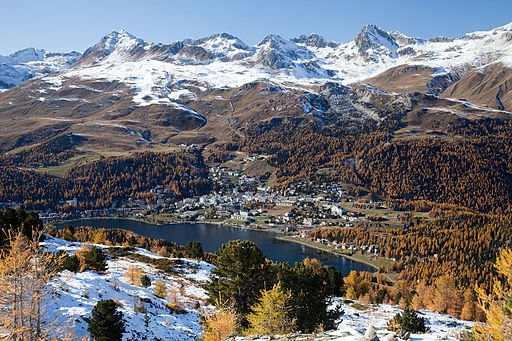
Earlier this month Switzerland’s bid to host the 2038 Olympic and Paralympic Winter Games got a significant boost with the approval by the Swiss House of Representatives to provide funding of up to CHF200 million (USD $240 million) – the vote was 137-40. The Games, if won, would be primarily funded by private equity and the government has ruled out coverage of any additional shortfalls or deficits.
The entire project is estimated to cost CHF2.2 billion (USD $2.64).
The same body also voted 106-78 against holding a national referendum on the bid with the main concern being tight timelines ahead of the International Olympic Committee (IOC) deadline next year. Swiss cantons will be able to hold their own referendums and choose to opt out of what could be the first-ever nation-wide Winter Games. Plans would be adapted if such dropouts were to occur, allowing the bid to proceed.
This is a significant decision after recent Olympic bids in the nation have failed due to lost referendums in potential host regions. Two individual regional votes ended a bid to host a Sion 2026 Games and another failed referendum in Davos canceled a St. Moritz 2022 project.
In May, a poll conducted by Swiss Olympic revealed 61 percent of the national population support the 2038 bid.
In 2024 Switzerland was granted “preferred bidder” status for the 2038 edition, meaning it was given an exclusive window until the end of 2027 to prepare a project that meets the needs of the IOC. This consolation was awarded after the nation was shut out of the 2030 and 2034 Games when they were instead awarded to French Alps and Utah.
No other nations are permitted to campaign for the Winter Games until the window closes or Switzerland abandons plans. Canada, Sweden and Japan are among countries expressing interest in the 2038 edition.
Since hosting the Games in St. Moritz in 1928 and 1948, eight Swiss-based bids have failed including for 2030/34 , 2026, 2010, 2006, 2002, 1976, 1960 and 1952.